How to Tell if Thrift Store Clothes Are Worth Money (2026 Reseller's Guide)
A reseller's field guide to spotting valuable clothing at the thrift store — the tags, materials, and brands that resell, and the 30-second checks that separate a $4 buy from a $200 flip.
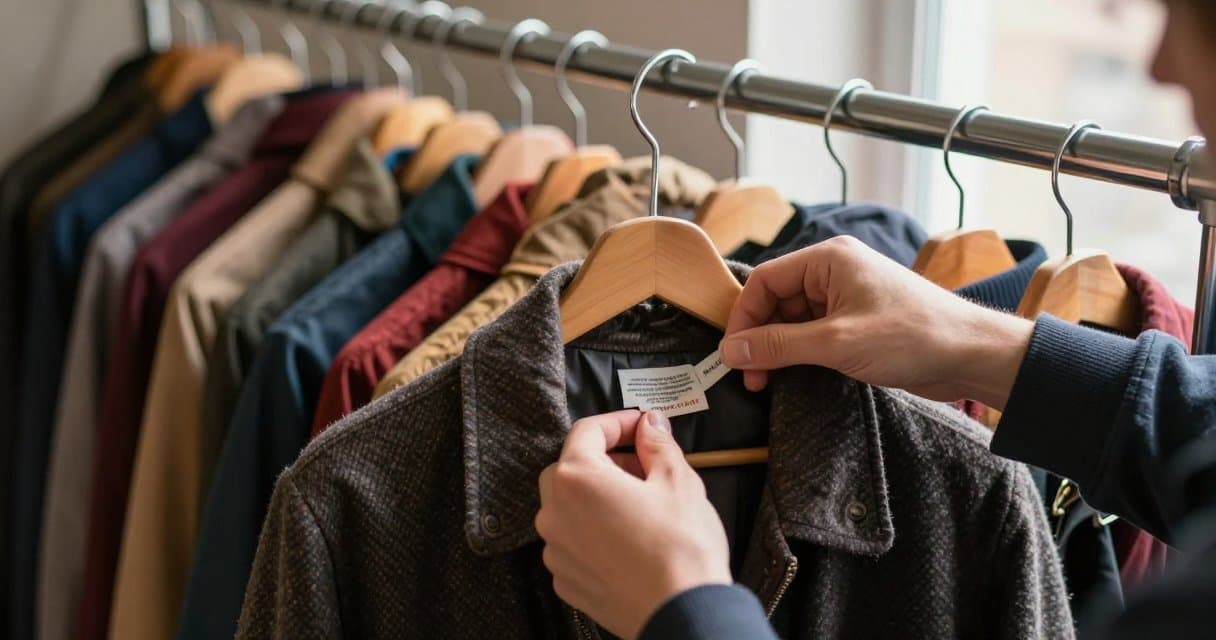
Every thrift store rack hides the same thing: a handful of pieces worth real money buried in a sea of stuff that isn't. The difference between a reseller who clears $1,000 a month and one who breaks even isn't luck — it's knowing, in the time it takes to flip a collar tag, whether the item in your hand resells. This guide breaks down exactly what to look for, in the order a working flipper actually checks it.
Start with the tag — it tells you almost everything
Before you judge a garment by how it looks, read its tags. The brand label, the care/content tag, and any union or copyright label together explain the majority of a piece's resale value. A plain flannel shirt is worth $4 or $80 depending entirely on what those tags say.
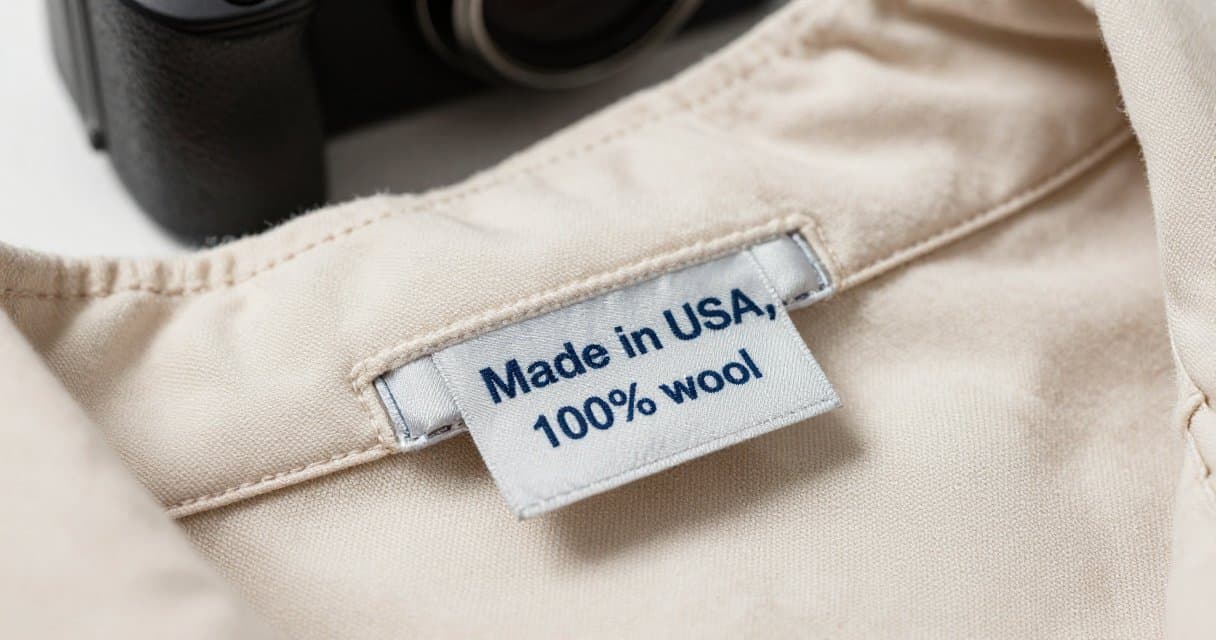
Three things on the tag matter most, and you can check all three in under ten seconds:
- Brand: Is it a label resellers actively search for? Carhartt, Patagonia, vintage Nike, Polo Ralph Lauren, Levi's, Harley-Davidson, and outdoor/workwear brands move fast. No-name mall brands rarely do.
- Country of manufacture: Made in USA, Japan, or Italy usually signals an older or higher-quality run. A brand that now manufactures overseas but has a made-in-USA tag is often a vintage piece worth a premium.
- Material content: Natural fibers — wool, leather, silk, linen, heavy cotton, cashmere — hold value. Head-to-toe polyester from a fast-fashion label almost never does.
Learn the vintage tells that signal a premium
Vintage pieces routinely sell for 3–10x their modern equivalents, and the giveaways are physical details, not vibes. Once you train your eye, you'll spot them across the room.
- 1Single-stitch hems: A single line of stitching at the sleeve and bottom hem usually means pre-1990s production. Modern garments use double-stitch.
- 2Union labels: An ILGWU or 'Union Made in USA' tag dates a piece to before the late 1990s — a strong vintage signal.
- 3Talon and other vintage zippers: A metal Talon, Conmar, or Gripper zipper is a classic age marker on jackets and denim.
- 4Old logo variants: Brands redesign logos over time. Learn the older versions — a vintage Nike 'grey tag' or an early Patagonia label is worth far more than current production.
- 5Copyright / RN numbers: The RN number on a care tag can be looked up to verify a brand and roughly date the garment.
Resellers don't pay for the shirt. They pay for the era, the fabric, and the brand the shirt happens to be made of.
Know which categories actually resell
Not every valuable brand is clothing, and not every category is worth your time. Here's how the most common thrift categories stack up for a reseller, with the realistic resale range for a solid mid-tier find.
| Category | What sells | Typical resale | Demand |
|---|---|---|---|
| Outerwear & workwear | Carhartt, Patagonia, vintage leather | $40–$200+ | Very high |
| Denim | Vintage Levi's, selvedge, Big E | $30–$300 | High |
| Activewear | Vintage Nike, Adidas, team merch | $25–$150 | High |
| Knitwear | Wool/cashmere sweaters, Pendleton | $25–$120 | Medium-high |
| Designer | Coach, Ralph Lauren, true luxury | $30–$500+ | Medium-high |
| Fast fashion | Mall brands, polyester basics | $0–$15 | Low |
Read condition like a price multiplier
New resellers treat condition as pass/fail and skip anything imperfect. Experienced ones treat it as a multiplier on an already-known value. A small flaw on a high-demand brand is still a profitable flip — you just price it accordingly and disclose it.
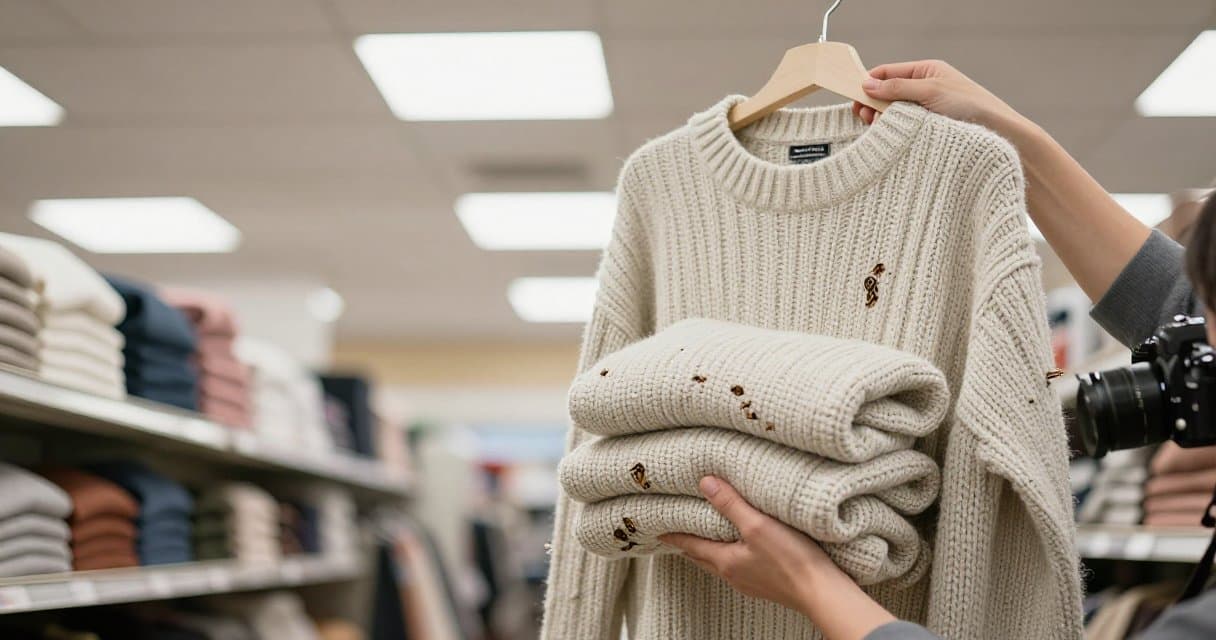
- Deal-breakers: moth holes in wool/cashmere, large unremovable stains, dry rot, broken zippers on cheap pieces, missing key components.
- Discount, don't skip: minor pilling, small mendable holes, faded prints (often desirable on vintage), missing buttons on otherwise strong brands.
- Always check: underarms, collars, cuffs, hems, crotch seams, and the inside of pockets — the spots photos and buyers scrutinize.
Stop guessing — verify the price before you buy
Everything above gets you to a confident maybe. The only way to a confident yes is real sold-comp data — what the exact piece has actually sold for recently, not what hopeful sellers are asking. Asking prices lie; completed sales don't.
This is the gap Cluzy closes on the thrift floor. Point your camera at the tag or the whole garment and the AI identifies the brand, model, and era, then pulls real completed-sale prices across eBay, Poshmark, Depop, and Mercari and subtracts marketplace fees and estimated shipping. You see your take-home profit in about two seconds — and if it's a buy, you can post the optimized eBay listing in one tap before you leave the store. For brand-by-brand numbers, our thrift resale value guides break down what each label is really worth. New to it all? Read how to sell on eBay and AI scan apps for thrifting next.
Flip thrift finds faster
Scan thrift finds at the rack. List it to eBay before you leave.
Cluzy identifies thrift finds, pulls real sold prices on eBay, Poshmark, and Depop, and posts an optimized eBay listing in one tap. No app-switching.

 Free to download · iOS & Android
People also ask
Frequently asked questions
- What thrift store clothes are worth the most money?
- Vintage and current pieces from searchable brands in natural materials sell for the most: Carhartt and Patagonia outerwear, vintage Levi's denim, vintage Nike and Adidas activewear, wool and cashmere knitwear, and genuine designer pieces. Made-in-USA, Japan, or Italy production and vintage tells (single-stitch hems, union labels, old logos) push prices higher.
- How can I tell if a piece of clothing is vintage?
- Look for single-stitch hems, union or ILGWU labels, vintage zippers (like Talon), older logo variants, and made-in-USA tags from brands that now manufacture overseas. The RN number on the care tag can also be looked up to verify the brand and approximate era.
- Is it worth reselling thrift store clothes in 2026?
- Yes — demand for secondhand clothing keeps growing, and resellers who source selectively (high-demand brands, natural materials, good condition) consistently turn $3–$8 thrift buys into $30–$200 sales. The key is verifying real sold prices before you buy so you only spend on items that actually move.
- How do I know how much a thrift item will sell for?
- Check real completed sales (sold comps), not asking prices. The fastest way is to scan the item in Cluzy, which identifies it and shows recent sold prices across eBay, Poshmark, Depop, and Mercari, plus your profit after fees — so you know the number before you buy.
Sources

Written by
The Cluzy Team
Reselling editors
The Cluzy team researches real sold-comp data across eBay, Poshmark, Depop, and Mercari and tests every tactic against actual flips before publishing. We cover sourcing, authentication, pricing, and listing strategy for thrift resellers — the same expertise built into the Cluzy app.
Keep reading
Thrift Sourcing
Thrifting for Beginners: A Complete Guide to Thrift Flipping (2026)
New to thrifting? Learn where to go, what to look for, how to spot items worth real money, and how to turn thrift finds into resale profit — a complete beginner's guide.
Reselling Guides
AI Scan Apps for Thrifting: How to Price Resale Items in Seconds (2026)
How an AI scan actually prices a thrift find, the difference between apps that guess and apps that pull real sold data, and what to look for in a thrift scanner app in 2026.
Reselling Guides
Reselling for Beginners: How to Start Flipping in 2026
A practical reselling guide for beginners — how to pick a niche, source profitably, price from real sold comps, list to sell, and avoid the mistakes that cost new resellers money.
Flip thrift finds faster
Scan thrift finds at the rack. List it to eBay before you leave.
Cluzy identifies thrift finds, pulls real sold prices on eBay, Poshmark, and Depop, and posts an optimized eBay listing in one tap. No app-switching.
Free to download · iOS & Android